

Knowing the Impact of Arkansas Weather on Gutters
The Arkansas climate is known for its unpredictable weather patterns, which can significantly affect the efficiency and longevity of a gutter installation. In Conway, the regional weather is characterized by a mix of hot summers, mild winters, and regular rainfall. These conditions create a unique set of challenges for residents looking to put in or preserve gutters.
Rainfall patterns in Arkansas are a serious factor in determining the type of gutter setup that will work best. The state typically experiences a high volume of rain, particularly during the spring and summer months. This means that gutters must be able to manage large amounts of water without overflowing or becoming clogged. In Conway, the combination of heavy rainfall and high humidity can lead to issues like mold and water harm if the gutter system is not correctly designed.
Temperature fluctuations also play a role in how gutters perform. Arkansas can see sudden changes in temperature, which can cause materials to expand and contract. This can lead to cracks or leaks in the gutter system, especially if the materials used are not suitable for the local climate. In regions like Conway, where the weather can be quite variable, it's essential to pick gutter materials that can withstand these changes.
In addition to rainfall and temperature, the in general Arkansas climate influences the types of materials and installation techniques that are most effective. Homeowners in Conway and nearby areas require to be aware of these elements to ensure their gutter setups are both functional and durable.
How Arkansas Climate Affects Gutter Performance
The Arkansas climate is a key consideration when it comes to gutter performance. In Conway, the combination of high rainfall and temperature fluctuations can lead to a variety of issues if the gutter system is not properly installed. For example, heavy rainfall can cause gutters to overflow, leading to water damage on the foundation of a home. This is especially common in areas with poor drainage or where the gutters are not properly sloped to direct water away from the house. For dependable Gutter Installation in Arkansas in Arkansas, AGM Gutters provides experienced guidance and practical solutions.
Temperature changes can also impact the materials used in gutters. In the summer, high temperatures can cause materials to grow, while in the winter, freezing conditions can lead to shrinkage. This constant expansion and contraction can result in fissures or seepage in the gutter system. In regions like Conway, where the weather can be quite unpredictable, it's important to choose materials that are created to handle these conditions.
Another factor to consider is the local weather patterns. In Arkansas, the climate can vary significantly from one region to another. For example, Little Rock experiences an average annual rainfall of 52 inches, which is more than many other areas in the state. This means that homeowners in Little Rock may need to invest in more robust gutter systems to handle the increased volume of water. Similarly, Fayetteville's mountainous location can lead to stronger storms, which can put additional stress on a gutter system.
Important Factors for Gutter Installation in Arkansas
When it comes to gutter installation in Arkansas, several critical factors must be evaluated to ensure the system is both functional and sustainable. One of the most important considerations is the picking of the right gutter components. Arkansas precipitation can be intense and frequent, which means that the materials used must be able to handle these conditions without degrading. In Conway, for example, property owners often select materials that are famous for their sturdiness and capacity to climate-related harm. https://writeablog.net/dibblehall78/what-is-the-best-gutter-size-for-arkansas-homes-practical-strategies-for
Another vital factor is the regional building regulations and construction codes. In Arkansas, there are specific rules that must be followed when installing gutters. These rules are developed to ensure that the system is secure and functional, and they can differ from one town to another. For example, in Conway, area contractors must comply with particular instructions when installing gutters to ensure they meet the region's criteria. This involves ensuring that the gutters are correctly inclined and that they are set up in a way that stops water from accumulating around the foundation the home.
Environmental ability is also a essential point when installing gutters in Arkansas. The area's weather can be very severe, with rapid changes in heat and heavy precipitation. This implies that the gutter setup must be able to endure these situations without failing. In areas like Little Rock and Fayetteville, where the weather can be especially unreliable, it's essential to choose a gutter system that is created to handle these issues. This may involve selecting materials that are able to rust and corrosion, as well as ensuring that the installation is maintained.
Finally, the setup procedure itself must be meticulously planned. Expert installation is often advised, as it ensures that the system is set up properly and fulfills all local standards. In Conway, homeowners can work with area builders who have expertise with the particular issues presented by the Arkansas climate. This might assist guarantee that the gutter system is installed in a way that is as well as productive and effective.
How Regional Weather Patterns Influence Gutter Installation
The area weather patterns in Arkansas play a major role in determining the best approach to gutter installation. In cities like Little Rock and Fayetteville, where the climate can be quite various from other parts of the state, homeowners must take these factors into account when picking their gutter system. For example, Little Rock's average annual rainfall of 52 inches means that the gutter setup must be able to manage a large volume of water without overflowing. This frequently calls for the use of larger gutters or extra downspouts to make sure correct drainage.
In Fayetteville, the mountainous site can lead to more intense storms, which can put additional strain on the gutter setup. This means that property owners in this area may call for to invest in reinforced gutters that are designed to handle heavy rainfall. Additionally, the local weather patterns in Fayetteville can lead to sudden temperature changes, which can affect the materials used in the gutter system. This is why it's important to choose materials that are both durable and weather-resistant.
Another factor to consider is the local building codes. https://pad.batsense.net/VKqv8utxRGqBG4NswO9Z9A In Arkansas, there are specific regulations that must be followed when installing gutters, and these can vary from one city to another. For example, in Bentonville, where there has been significant urban development, the local building codes have been updated to ensure that gutter systems meet the latest standards. This means that homeowners in this area must ensure that their gutter system is installed in accordance with these codes to avoid any potential issues.
Best Gutter Materials for Arkansas Conditions
Choosing the right gutter materials is essential for ensuring that the system can withstand the unique conditions of the Arkansas climate. In Conway, where the weather can be quite variable, homeowners need to select materials that are both durable and resistant to weather-related damage. One of the most popular options for gutter materials in Arkansas is titanium. This material is easy to carry, non-corrosive, and can withstand the high rainfall that the state experiences. It is also relatively easy to install, making it a popular choice for many homeowners.
Steel gutters are another option that is well-suited for the Arkansas climate. These gutters are famous for their resilience and toughness, making them a good choice for areas with heavy rainfall. However, steel can be more prone to rust if not properly maintained, which is why it's important to choose a premium steel gutter system. In regions like Little Rock and Fayetteville, where the weather can be particularly harsh, steel gutters can provide the added strength needed to handle the increased volume of water.
Weather resistance is a important factor when choosing gutter materials in Arkansas. The state's climate can be quite unpredictable, with sudden changes in temperature and heavy rainfall. This means that the materials used must be able to withstand these conditions without breaking down. In cities like Fort Smith and Springdale, where the climate can be quite different from other parts of the state, homeowners often select materials that are specifically designed to handle the local weather patterns.
Another important consideration is the regional weather in Arkansas. The state's regions can change considerably in terms of temperature and rainfall, which means that the materials used in the gutter system must be able to adapt to these conditions. For example, in areas like Jonesboro and North Little Rock, where the weather can be quite damp, it's important to choose materials that are resistant to mold and mildew. This can help ensure that the gutter system remains working and effective over time.
Why Material Selection Matters in Arkansas
The decision of gutter materials in Arkansas is essential for ensuring that the system can handle the state's unique climate. In regions like Rogers and Pine Bluff, where the weather can be quite different from other parts of the state, homeowners must carefully consider the materials they use. For example, in areas with high humidity, materials that are immune to mold and mildew are important. This helps stop the buildup of moisture, which can result in water damage and other issues over time.
Another consideration to review is the durability of the materials. In Arkansas, the climate can be quite harsh, with unexpected variations in temperature and heavy rainfall. This means that the materials used in the gutter system must be able to withstand these conditions without breaking down. In cities like Bentonville and Fayetteville, where the weather can be particularly unpredictable, it's crucial to choose materials that are both strong and durable.
Homeowners in Arkansas should also consider the local weather conditions when selecting their gutter materials. For example, in areas like Little Rock, where the average annual rainfall is 52 inches, it's vital to choose materials that can handle large volumes of water. This may involve employing greater gutters or more downspouts to guarantee that the system can cope with the increased volume of water without overloading. In regions like Fort Smith and Springdale, where the weather can be quite diverse, homeowners may need to select materials that are customized to handle the local conditions.
Gutter setup Steps for Arkansas residences
Correct gutter installation is essential for making sure that the system functions effectively and survives for several years. In Arkansas, where the climate can be very uncertain, it's important to comply the right setup guidelines to prevent issues like liquid injury and drips. The first phase in the installation process is to examine the property's unique requirements. This entails evaluating the roofline, the angle of the building, and the local weather. In Conway, for sample, homeowners may need consider the area waterfall patterns and thermometer changes when organizing their gutter setup.
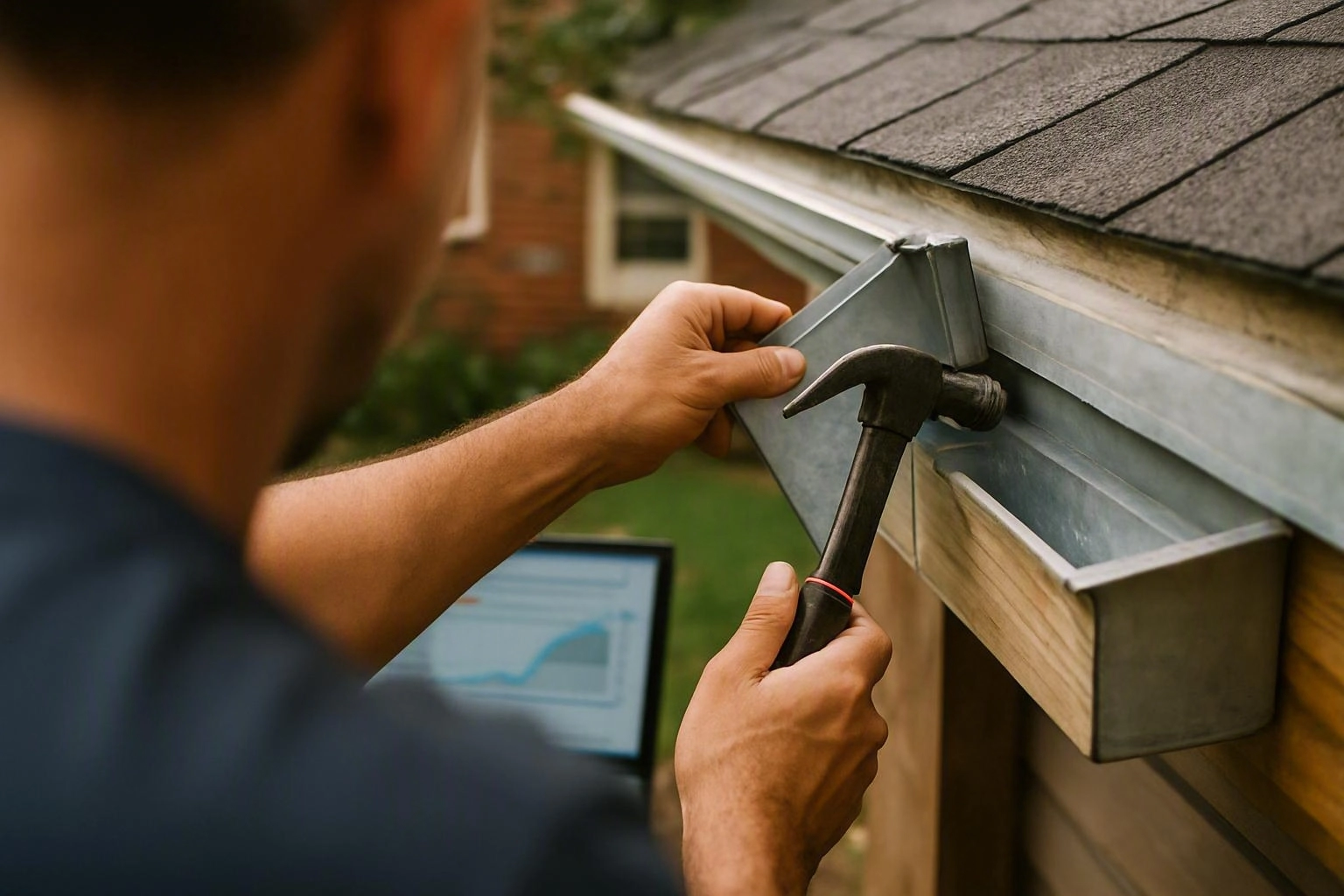
The next phase is to pick the correct materials for the gutter setup. This involves picking materials that are suitable for the area atmosphere and can withstand the unique conditions in the area. In Arkansas, where the atmosphere can change considerably from one area to another, it's important to choose supplies that are both durable and element-resistant. For sample, in areas like Little Rock and Fayetteville, where the atmosphere can be quite severe, homeowners may choose for supplies that are famous for their strength and longevity.
Once the components have been selected, the subsequent action is to prepare the setup location. This includes calculating the eaves, indicating the places for the gutters, and making sure that the system is adequately inclined to guide liquid away from the property. In Conway, where the weather can be quite unpredictable, it's important to make sure that the gutters are installed correctly to stop challenges like water pooling and base damage. This may include collaborating with regional contractors who have knowledge with the specific issues presented by the Arkansas atmosphere.
Finally, the setup procedure itself must be thoroughly executed. This includes securing the gutters to the roof edge, connecting the water channels, and making sure that the installation is correctly closed to avoid leaks. In Arkansas, where the atmosphere can be quite uncertain, it's crucial to comply the correct setup guidelines to guarantee that the installation is both successful and long-lasting. Residents in towns like Fort Smith and Springdale may have to work with regional contractors who are experienced with the particular needs of the location.
How Local Construction Codes Influence Gutter installation
Municipal Structural Codes Have a major Part in establishing the requirements for gutter installation in Arkansas. In urban like Conway and Little Rock, there are specific Regulations that must be followed to confirm that the gutter setup is reliable and effective. These Standards are developed to guard Property from possible Problems like moisture Injury and base Problems, and they might Change from one town to another. For Example, in Bentonville, where there has been major City Development, the Regional Construction Codes have been updated to confirm that gutter systems Meet the latest Standards.
One of the important Aspects that Impact gutter installation in Arkansas is the angle of the top. In locations with a steep Angle, the gutter installation Need be mounted in a method that ensures Appropriate Runoff. This might Require Implementing Bigger gutters or additional Drain Pipes to manage the greater Amount of water. In metropolitan like Fayetteville, where the conditions can be extremely Uncertain, it's crucial to guarantee that the system is set Up Accurately to stop Challenges like water Accumulation and base Damage.
Another important Consideration is the Regional Weather Features. In locations like Fort Smith and Springdale, where the climate can be very Distinct from other regions of the region, homeowners Must Guarantee that their gutter installation is designed to control the specific Conditions in the location. This might Involve Implementing Materials that are resistant to corrosion and oxidation, as well as ensuring that the installation is properly Cared For to prevent Problems like blockages and seepage.
Regional Insights: Gutter Calls for in Cities Like Little Rock and Fayetteville
Knowing the exact gutter requires of cities like Little Rock and Fayetteville is vital for homeowners looking to set up or uphold a gutter installation. These cities have unique weather patterns and local conditions that must be taken into account when selecting the right gutter setup. In Little Rock, for example, the average annual rainfall is 52 inches, which means that the gutter installation must be able to handle a large volume of water without overflowing. This commonly needs the use of larger gutters or extra downspouts to confirm correct drainage.
In Fayetteville, the mountainous site can lead to more intense storms, which can put further strain on the gutter system. This means that property owners in this area may call for to invest in reinforced gutters that are designed to handle heavy rainfall. Additionally, the area weather patterns in Fayetteville can lead to sudden temperature changes, which can affect the materials used in the gutter setup. This is why it's important to choose materials that are both durable and weather-resistant.
Another factor to consider is the local building codes. In Arkansas, there are specific regulations that must be followed when installing gutters, and these can vary from one city to another. For example, in Bentonville, where there has been significant urban development, the local building codes have been updated to ensure that gutter systems meet the latest standards. This means that homeowners in this area must ensure that their gutter system is installed in accordance with these codes to avoid any potential issues.
Finally, the local weather patterns in cities like Little Rock and Fayetteville can have a significant impact on the performance of the gutter system. In areas with high humidity, materials that are resistant to mold and mildew are essential. This helps prevent the buildup of moisture, which can lead to water damage and other issues over time. In regions like Fort Smith and Springdale, where the weather can be quite different from other parts of the state, homeowners often choose materials that are specifically designed to handle the local conditions.
How Local Weather Patterns Influence Gutter Maintenance
The regional weather patterns in Arkansas play a vital role in determining the maintenance needs of a gutter setup. In cities like Little Rock and Fayetteville, where the climate can be quite distinct from other parts of the state, residents must be aware of the particular challenges posed by the regional weather. For example, in Little Rock, where the average annual rainfall is 52 inches, the gutter setup must be inspected and cleaned regularly to avoid clogs and overflow. This is specifically essential during the spring and summer months when rainfall is at its highest.
In Fayetteville, the mountainous site can lead to more intense storms, which can put additional strain on the gutter setup. This means that property owners in this area may call for to clean their gutters more often to make sure that they are functioning properly. Additionally, the local weather patterns in Fayetteville can lead to sudden temperature changes, which can affect the materials used in the gutter system. This is why it's important to choose materials that are both durable and weather-resistant.
Another factor to consider is the local building codes. In Arkansas, there are specific regulations that must be followed when installing gutters, and these can vary from one city to another. For example, in Bentonville, where there has been significant urban development, the local building codes have been updated to ensure that gutter systems meet the latest standards. This means that homeowners in this area must ensure that their gutter system is installed in accordance with these codes to avoid any potential issues.
FAQ
What are the most popular types of gutters used in Arkansas?
The most frequently used types of gutters utilized in Arkansas comprise aluminum and steel gutters. These materials are selected for their sturdiness and ability to withstand the state's weather conditions. In cities like Conway and Little Rock, aluminum gutters are popular due to their small weight and corrosion-resistant properties. Steel gutters are also employed in areas with prolonged rain, as they supply greater resilience and endurance.
How do climate conditions in Arkansas influence gutter installation?
Meteorological factors in Arkansas, such as intense precipitation and variations in temperature, greatly affect gutter setup. Homeowners must opt for materials that can manage these conditions without degrading. In cities like Fayetteville, where storms can be severe, fortified gutters are frequently advised. Additionally, local building codes in Arkansas mandate that gutters be installed in a way that guarantees effective water drainage and stops moisture damage.
What materials are most suitable for Arkansas climatic conditions?
Aluminum and steel gutters are most suitable for Arkansas weather due to their sturdiness and resistance to corrosion. In areas with heavy precipitation, such as Little Rock, aluminum gutters are commonly selected for their small weight and capacity to deal with significant water flow. Steel gutters are also used in regions like Fayetteville, where the meteorological conditions can be extremely severe. These materials are chosen for their power to resist the state's variable conditions.
What is the standard price of gutter installation in Arkansas?
The standard cost of gutter installation in Arkansas may vary depending on the materials used and the dimensions of the house. On generally, homeowners can expect to spend between $500 and $1,500 for a typical setup. In cities like Conway and Little Rock, the cost may be shaped by local labor rates and the difficulty of the installation. It it is advised to get multiple quotes from regional professionals to ensure a fair price.
How often should gutters be cleaned in Arkansas?
Gutters in Arkansas should be cleaned at least twice a year, typically in the spring and fall, to avoid clogs and overflow. In areas with heavy rainfall, such as Little Rock, more regular cleaning may be necessary. Homeowners should also inspect their gutters after significant storms to ensure they are functioning properly. Regular maintenance is essential to prevent water damage and ensure the longevity of the gutter system.