

What is a Gutter Installation Warranty?
A gutter installation warranty is a promise from a contractor or manufacturer that their work or materials will perform as expected for a exact period. In Arkansas, this is especially vital due to the state's unique weather patterns and environmental conditions. Gutter Installation in Arkansas can vary widely depending on the materials used, the contractor's expertise, and the local regulations.
Warranty coverage usually includes both the labor and the materials used in the installation. This means that if something goes wrong with the gutters, the contractor or manufacturer may be responsible for repairing or swapping out them. However, the specifics of the warranty can differ depending on the provider. For example, some contractors may offer a labor warranty, while others may only deliver a manufacturer warranty.
Contractor responsibility is a key factor in any gutter installation. A reputable contractor should clearly outline what is covered under their warranty and what is not. This includes things like harm caused by extreme weather or improper maintenance. On the other hand, a manufacturer warranty typically covers defects in the materials used for the gutters, such as rust or corrosion.
In Arkansas, knowing the difference between these types of warranties is vital. Property owners should ask detailed topics about what is included in the warranty and what conditions could void it. This confirms that they are fully informed and protected in case of any issues with their gutter setup.
Types of Warranties Available in Arkansas
When it comes to gutter installation in Arkansas, several types of warranties can be offered. A labor warranty covers the work done by the contractor, making sure that any issues arising from the installation are fixed at no cost to the resident. This type of warranty is particularly vital in a state where weather conditions can be unpredictable.
Material warranties, on the other hand, cover the actual materials used in the installation. These warranties can vary in length and scope, depending on the manufacturer. For instance, some manufacturers may offer a 20-year warranty on their products, while others may only offer a 10-year warranty.
A producer guarantee is typically connected to the specific components used in the gutter system. This means that if a material fails due to a issue, the manufacturer is required for fixing or fixing it. However, it's crucial to acknowledge that this warranty may exclude harm caused from external factors such as bad weather or inadequate care.
Support contracts can also be component of the guarantee system. These agreements commonly include ongoing care reviews and fixes, ensuring that the gutters keep to function effectively over duration. In Arkansas, where strong water and storms are usual, maintaining a maintenance agreement can supply more calm of mind for property owners.
Understanding the distinct types of guarantees accessible is important for anyone evaluating gutter installation in Arkansas. It permits homeowners to take informed choices and guarantees they are secured in case of any issues with their gutter system.
How Climate in Arkansas Affects Gutter Warranties
The weather in Arkansas has a significant role in assessing the performance and longevity of gutter warranties. Arkansas climate is famous for its variability, with significant precipitation, unexpected storms, and temperature fluctuations that can impact the operation of gutter systems.
Heavy rainfall is a common occurrence in Arkansas, particularly in the spring and summer months. This can lead to increased water flow through gutters, which can cause strain on the system. If the gutters are not properly installed or maintained, this can result in leaks, clogs, or even structural damage. In areas like Little Rock and Fayetteville, where spring storms are frequent, homeowners should be especially mindful of the potential for storm damage.
Temperature fluctuations also affect gutter performance. https://hedgedoc.uni-ak.ac.at/hmCPNiZjTfCoUW0R1okEow In Arkansas, the temperature can range from below freezing in the winter to over 90 degrees Fahrenheit in the summer. These extreme temperature changes can cause materials to expand and contract, leading to stress on the gutter system. Over time, this can result in cracks, leaks, or other issues that may not be covered under a standard warranty.
Comprehending how the climate in Arkansas affects gutter warranties is crucial for homeowners. It enables them to select the appropriate materials and installation techniques that can endure the regional weather conditions. By understanding these elements, homeowners can make well-informed choices that safeguard their investment and guarantee their gutter system operates effectively for many years ahead.
Effect of Arkansas weather on Gutter operation
The climate in Arkansas have a noticeable impact on how gutters work throughout the year. Early spring storms bring strong rainfall, which can strain gutters and result in leaks or clogs. In areas like Fayetteville, where hillside terrain can create rubbish, this issue is even more intense. Homeowners should be ready to clean their gutters more regularly during this time to avoid damage.
Summer rain in Arkansas is another factor that affects gutter operation. While the rain is less intense than in the spring, it can still cause issues if gutters are not correctly maintained. The combination of rain and high temperatures can lead to mold growth and water wear, specifically if gutters are clogged with leaves or other debris.
Fall debris is a typical issue in Arkansas, as trees shed leaves and branches. This can clog gutters and lead to water damage. In regions like Fort Smith, where the proximity to the Arkansas River may increase the risk of flooding, it's essential to make sure gutters are in good condition before the fall season.
Winter ice can also pose a challenge for gutters in Arkansas. While the state doesn't experience extreme cold like northern regions, freezing temperatures can still cause ice buildup. This can lead to ice dams, which can wear gutters and the roof. Homeowners should be aware of these seasonal challenges and take measures to maintain their gutter setups throughout the year.
Best Choices for Gutter Installation in Arkansas
Picking the right materials for gutter installation in Arkansas is important for ensuring long-term performance and durability. Aluminum gutters are a popular selection due to their compact and ability to rust. They are also moderately simple to install and service, making them a suitable choice for many property owners.
Steel gutters supply greater strength and resilience against to aluminum. They are ideal for regions with intense rain or powerful winds, as they can endure more stress. However, steel gutters may need additional care to stop rust, especially in areas with increased dampness.
Copper gutters are recognized for their durability and visual charm. They are immune to corrosion and can survive for decades with proper care. However, they are more expensive than other choices and may not be the ideal option for all financial constraints.
Vinyl gutters are a budget-friendly option that is straightforward to install and care for. They are immune to corrosion and do not need painting. However, they may not be as sturdy as metal selections and can get cracked over time, especially in severe conditions.
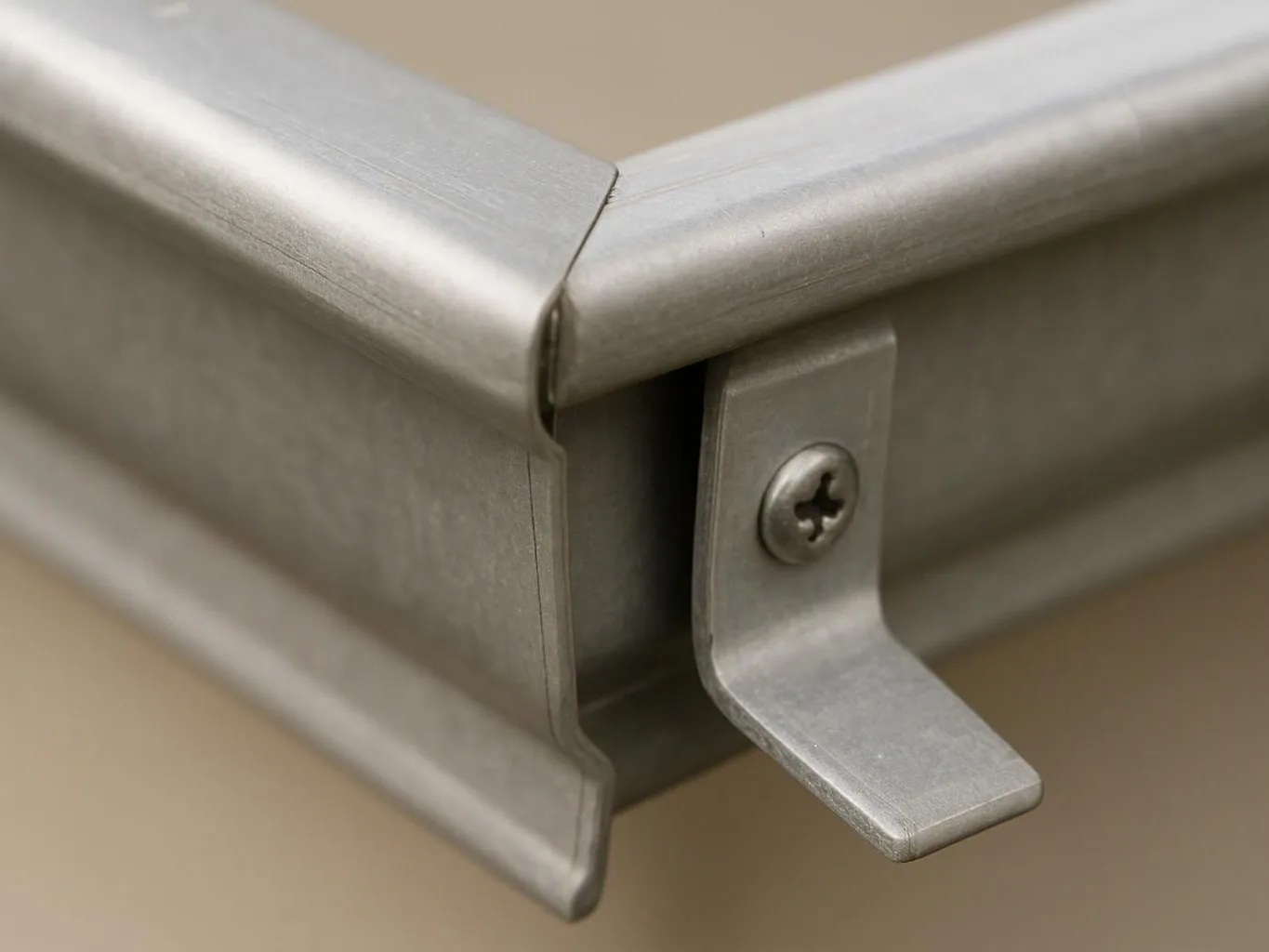
Picking the right choices for gutter installation in Arkansas depends on multiple aspects, including budget, weather, and personal likes. By understanding the characteristics of each component, property owners can carry out informed decisions that ensure their gutters operate well for years to ahead.
Substance Sturdiness in Arkansas scenarios
The durability of gutter options in Arkansas is influenced by the area's particular environmental situations. Rusting ability is a key factor, as the area's damp weather can lead to corrosion and degradation over periods. Materials like aluminum and brass are recognized for their ability to resist rusting, making them suitable choices for Arkansas's climate.
Corrosion protection is another crucial consideration. Steel gutters, while robust, may be greater likely to rust if not adequately handled. Homeowners should seek for options that contain safeguarding finishes or surfaces to improve their capacity to dampness.
UV exposure is a factor that can affect the longevity of gutter materials. Extended exposure to sunlight can cause materials like vinyl to degrade, leading to cracks and other issues. Choosing materials with UV-resistant properties can help maintain their integrity over time.
Moisture damage is a common concern in Arkansas, where heavy rainfall and high humidity are frequent. Materials that are designed to withstand moisture, such as aluminum and copper, are better suited for the region. By selecting the right materials, homeowners can ensure their gutters remain functional and durable despite the local climate.
Regional Building Codes for Gutter Installation in Arkansas
Regional Building Standards for gutter installation in Arkansas play a important part in making sure that all installations meet protection and results requirements. These rules vary by town, with particular regulations in areas like Little Rock, Fayetteville, and Fort Smith. Grasping these requirements is important for property owners and professionals to avoid likely challenges and guarantee following.
In Little Rock, rules often focus on the right gradient and water flow of gutters to avoid moisture injury. The town may ask particular supplies that can endure the regional climate, guaranteeing that gutters operate well during strong downpour.
Fayetteville's requirements may highlight the value of regular maintenance and inspections to maintain gutters in good form. Considering the city's hillside topography, there may be extra instructions to address the chance of debris buildup and ensure that gutters can cope with the distinct problems of the region.
Fort Smith has specific demands as a result of its closeness to the Arkansas watercourse. These may cover instructions for managing damp runoff and stopping degradation. Compliance with these guidelines is important for homeowners to prevent fines and ensure their gutter projects are protected and successful.
By adhering to regional structural regulations, residents can ensure that their gutter works are not only in line but also customized to the unique requirements of their area. This assists protect their resources and guarantees that their gutters perform well in the special environment of Arkansas.
Adherence and Authorizations in Arkansas regions
Compliance with area rules is vital when it comes to gutter installation in Arkansas. City permits are often needed before any task can commence, making sure that the installation meets the essential standards. In Little Rock, for example, property owners may have to obtain a license to install or update gutters, which supports keep the town's infrastructure and safety.
Area checks are further key part of following. These inspections ensure that the gutter project is set up properly and meets the city's demands. In Fayetteville, where the terrain can influence damp water flow, reviews may focus on the gradient and arrangement of gutters to avoid issues like water pooling or degradation.
Code enforcement serves a role in guaranteeing that all installations adhere to the established regulations. If a homeowner doesn't meet with local codes, they may face consequences or need to alter to their system. This is especially crucial in areas like Fort Smith, where nearness to the Arkansas River may necessitate more steps to prevent flooding.
Zoning laws might also affect gutter installation, as they determine what types of materials and installations are permitted in specific areas. Knowing these laws assists property owners choose wisely and stay clear of problems with municipal officials.
By adhering to the adherence and permit requirements in Arkansas cities, homeowners have the ability to make sure their gutter systems are protected, effective, and in line with local regulations. This not only safeguards their property but also supports the total protection and operation of their homes.
Signs Your Gutters Call for Repair in Arkansas
Recognizing the signs that your gutters call for repair is vital for maintaining the integrity of your residence's drainage installation. Leaking gutters are one of the most common indicators that something is wrong. If you notice water pooling around the foundation or dripping from the gutters, it may be a sign of a leak or a clog. In Arkansas, where heavy rainfall is common, even small leaks can lead to significant damage over time.
Blocked gutters are another issue that residents should be aware of. When gutters become blocked with leaves, twigs, or other debris, water cannot flow properly, leading to overflow and likely water harm. In areas like Fayetteville, where mountainous terrain can increase debris buildup, consistent cleaning is vital to prevent clogs.
Drooping gutters can also indicate a issue. If the gutters are pulling away from the house or appear to be drooping, it may be due to improper installation or wear and tear. This can lead to water damage and structural concerns, specifically during heavy storms.
Water damage around the home is a clear sign that something is wrong with the gutter system. If you notice water stains on the walls, peeling paint, or dampness near the foundation, it's important to address the issue promptly. In Arkansas, where the climate can be unpredictable, these signs should not be ignored.
By being aware of these signs, homeowners can take timely action to repair their gutters and prevent further damage. Regular maintenance and inspections can help identify issues before they become major problems, ensuring that the gutter system functions properly for years to come.
Common Gutter Issues in Arkansas Homes
In Arkansas, several common gutter issues can affect homeowners, particularly due to the region's unique climate and environmental conditions. Roof damage is a frequent problem, often caused by clogged or leaking gutters. When gutters are not functioning properly, water can overflow and damage the roof, leading to leaks and structural issues. This is especially common in areas like Little Rock, where heavy rainfall can overwhelm the drainage system.
Foundation erosion is another concern for homeowners in Arkansas. If gutters are not effectively installed or maintained, water can build up around the foundation, leading to erosion and potential structural damage. This is a significant issue in Fort Smith, where the proximity to the Arkansas River raises the risk of flooding and water damage.
Mold growth is a health hazard that can result from inadequate gutter performance. When gutters are obstructed or leaking, moisture can accumulate in the home, creating an perfect environment for mold to grow. This is particularly problematic in areas with high humidity, such as Fayetteville, where the mountainous terrain can help to increased moisture levels.
Pest infestation is another issue that can arise from gutter problems. Clogged gutters can become a breeding ground for pests like mosquitoes and rodents, which can risk health risks to homeowners. In Arkansas, where the weather supports a selection of pests, maintaining clean and functional gutters is crucial to prevent infestations.
By tackling these common gutter issues, homeowners can protect their homes from damage and ensure that their gutter systems operate effectively. Ongoing maintenance and inspections are key to identifying and resolving these problems before they worsen. https://pad.nixnet.services/1Y9c-WJLRMKeqrHzPWgt4A
For trustworthy Gutter Installation in Arkansas, AGM Gutters provides knowledgeable guidance and practical solutions.
FAQ
What are the most common types of gutters used in Arkansas?
The most common types of gutters used in Arkansas include copper. Steel gutters are popular for their lightweight and rust resistance. Vinyl gutters offer strength and durability, while vinyl gutters are known for their longevity and aesthetic appeal. Vinyl gutters are a cost-effective option that is easy to install and maintain.
How do climate conditions in Arkansas affect gutter installation?
Climate conditions in Arkansas, such as extreme weather, seasonal variations, and seasonal changes, significantly affect gutter installation. These factors influence the use of materials and the need for correct installation to ensure the gutters can withstand area-specific weather. Homeowners should evaluate these aspects when choosing a service provider and materials for their gutter system. https://md.coredump.ch/79JhHsggTAOQdrRm3t8WVA